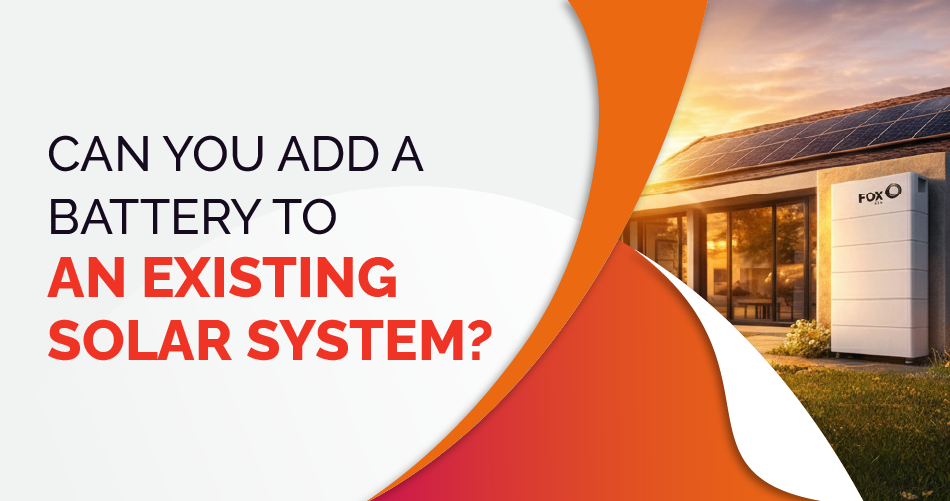
Electricity prices across Australia continue to rise, and homeowners are looking for better ways to reduce grid dependence and improve energy savings. That is why more people are now considering adding battery to existing solar system setups instead of replacing their entire solar installation.
For many households, the solar panels already work well during the day, but excess energy gets exported back to the grid for relatively low feed-in tariffs. A battery changes that by storing unused power for later use.
One of the biggest concerns homeowners have is compatibility. Can older systems support a battery upgrade? In most cases, yes. This guide explains everything you need to know about adding battery to current solar system setups, including compatibility, costs, benefits, and common mistakes to avoid.
Quick Answer
Yes, you can add battery to existing solar systems in most Australian homes.
However, compatibility depends on:
- Your inverter type
- System age
- Battery technology
- Available electrical capacity
Some homes require inverter upgrades, while others can connect a battery for existing solar system setups with minimal changes using retrofit solutions.
Why Homeowners Are Adding Batteries
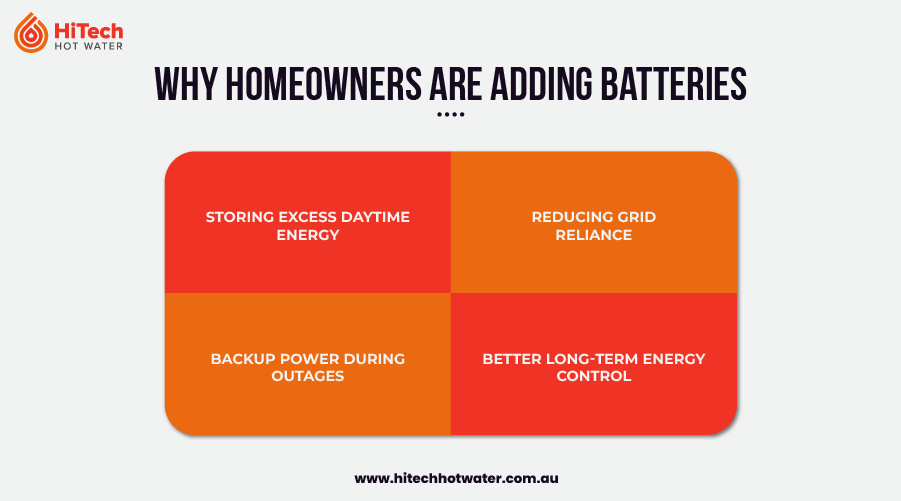
The main reason people are adding battery to current solar system installations is simple: they want to use more of the solar power they generate.
Benefits include:
- Storing excess daytime energy
- Reducing grid reliance
- Backup power during outages
- Better long-term energy control
Without a battery, unused solar energy is exported to the grid. With a battery, that energy can power the home at night instead.
How a Solar Battery Works
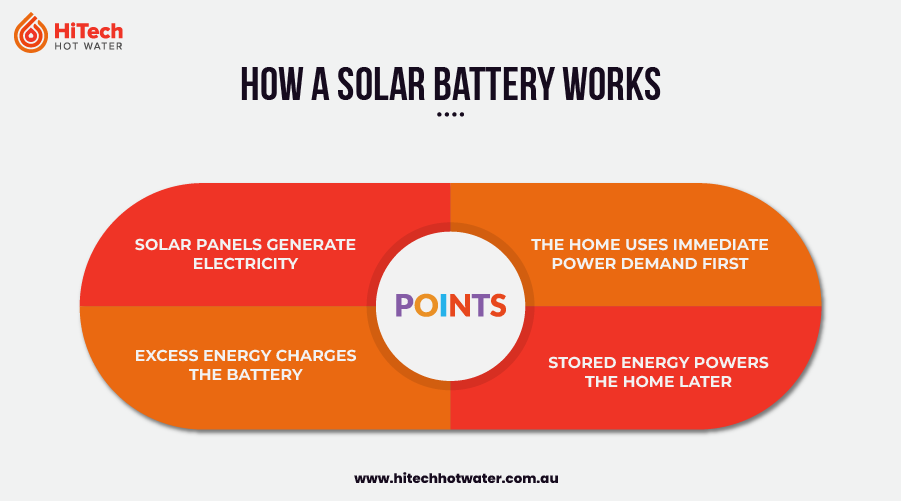
A battery stores unused solar energy produced during the day.
Here’s the basic process:
- Solar panels generate electricity
- The home uses immediate power demand first
- Excess energy charges the battery
- Stored energy powers the home later
This improves self-consumption and reduces electricity purchases from the grid.
A properly designed Solar Battery System helps households maximise the value of their solar generation instead of relying heavily on feed-in tariffs.
Can Every Solar System Support a Battery?
Not every setup is identical, but most homes can support adding battery to current solar system configurations.
The main factor is inverter compatibility.
Hybrid Inverter
A hybrid inverter is battery-ready and simplifies battery installation.
Standard Solar Inverter
Older systems usually have standard inverters, which may require:
- Additional battery inverter
- AC-coupled retrofit setup
- Partial system upgrade
Older solar systems can still work with a solar battery for current system upgrades, but professional assessment is essential.
Options for Adding Battery to Existing Solar System
6.1 AC-Coupled Battery
This is the most common option for adding battery to current solar system installations.
Advantages:
- Easier retrofit
- Works with many older systems
- Less disruption to existing solar setup
This approach adds a separate battery inverter without replacing the solar inverter.
6.2 DC-Coupled Battery
DC-coupled systems are usually better suited to newer installations.
Advantages:
- Higher efficiency
- Better integration
- Reduced conversion losses
However, this setup may require replacing existing equipment if the current inverter is incompatible.
Choosing the Right Battery for Existing Solar System
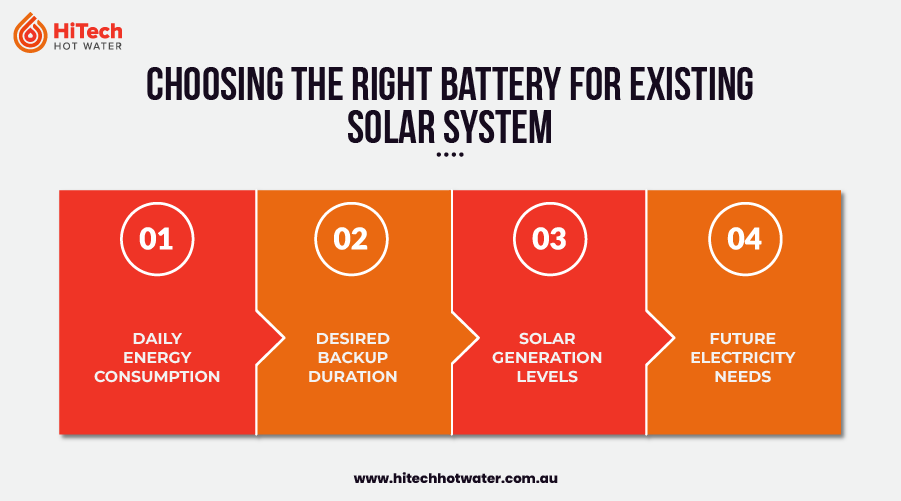
Choosing the correct battery for current solar system setups depends on household usage patterns.
Key considerations:
- Daily energy consumption
- Desired backup duration
- Solar generation levels
- Future electricity needs
Battery capacity is measured in kilowatt-hours (kWh). Oversizing the battery often increases cost without delivering proportional savings.
The ideal battery for existing solar system should match actual household demand, not theoretical maximum usage.
Cost of Adding a Battery in Australia
The cost of adding battery to existing solar system setups varies depending on battery size and installation complexity.
Typical Australian pricing:
- Small systems → $5,000*–$8,000*
- Medium systems → $8,000*–$12,000*
- Larger premium systems → $12,000+*
Costs may include:
- Battery hardware
- Installation labour
- Inverter upgrades
- Electrical modifications
Government rebates and incentives in some states can reduce upfront costs significantly.
Benefits of Adding a Battery
The benefits of adding battery to current solar system installations go beyond lower electricity bills.
Key advantages:
- Improved solar self-consumption
- Reduced exposure to rising electricity prices
- Backup power during outages
- Better long-term return from solar investment
For many households, a solar battery for existing system upgrades turns solar from a daytime-only solution into a full-day energy strategy.
Common Mistakes to Avoid
The biggest mistakes usually happen when homeowners focus only on battery price.
Common issues include:
- Choosing incompatible batteries
- Ignoring inverter limitations
- Oversizing battery capacity
- Installing low-quality systems
A poorly matched battery for existing solar system setup can reduce efficiency and increase payback time unnecessarily.
Is It Worth Adding a Battery?
For many Australian homes, yes.
The value of adding battery to existing solar system setups depends on:
- Electricity usage habits
- Feed-in tariff rates
- Evening energy consumption
- Future energy prices
Homes with high evening electricity use usually benefit the most. As feed-in tariffs continue to decline, battery storage becomes more financially attractive.
Solar Battery vs Other Energy Upgrades
Battery storage is only one part of reducing energy costs. Heat Pump Hot Water systems can significantly reduce household energy demand as well.
The most effective approach combines:
- Solar generation
- Battery storage
- Efficient appliances
- Smart energy usage
This creates stronger whole-home savings than relying on a battery alone.
Expert Tip
Before adding battery to current solar system setups, always get a professional assessment.
An installer should evaluate:
- Inverter compatibility
- Solar panel condition
- Electrical infrastructure
- Future energy requirements
At HiTech Hot Water, systems are sized based on real household demand, not rough estimates. That’s what prevents overspending and underperformance.

Conclusion
Most Australian homes can support adding battery to existing solar system setups, but compatibility and design matter.
The right battery setup improves solar usage, lowers grid reliance, and increases long-term energy savings. The wrong setup creates unnecessary cost and performance issues.
Before upgrading, make sure your system is assessed properly. In battery storage, system design matters far more than simply buying the biggest battery available.
At HiTech Hot Water, professional assessments help homeowners choose the right upgrade path based on real energy usage, inverter compatibility, and long-term savings goals.
FAQs
Yes, most Australian solar systems can support a battery upgrade. Compatibility depends on your inverter type, system age, and electrical setup. Some systems may need additional equipment or inverter upgrades.
For many households, yes. Adding a battery helps store unused solar power for night-time use, reduces grid reliance, and improves long-term energy savings, especially as feed-in tariffs continue to decline.
Yes, older solar panels can usually work with battery storage systems. However, compatibility depends on the condition of the panels and the existing inverter setup. A professional assessment is recommended before upgrading.
No, not all inverters are battery-compatible. Hybrid inverters are designed for battery integration, while older standard inverters may require additional battery inverters or retrofit solutions.
Not always. If your system already uses a hybrid inverter, a battery can often be added directly. Older systems with standard inverters may require:
- A separate battery inverter
- AC-coupled retrofit setup
- Partial inverter upgrade